Lantana, Florida
Wild wonders.
Wonderful discoveries.
Meet Liz’s illustrated animal world. Read Nemur’s story, explore the animal cards, and turn curiosity into a hands-on discovery.
Three ways in
Read. Discover. Explore.
The book is finished and readable right now. The zoo is drawn. The show is the part being built on top of both.
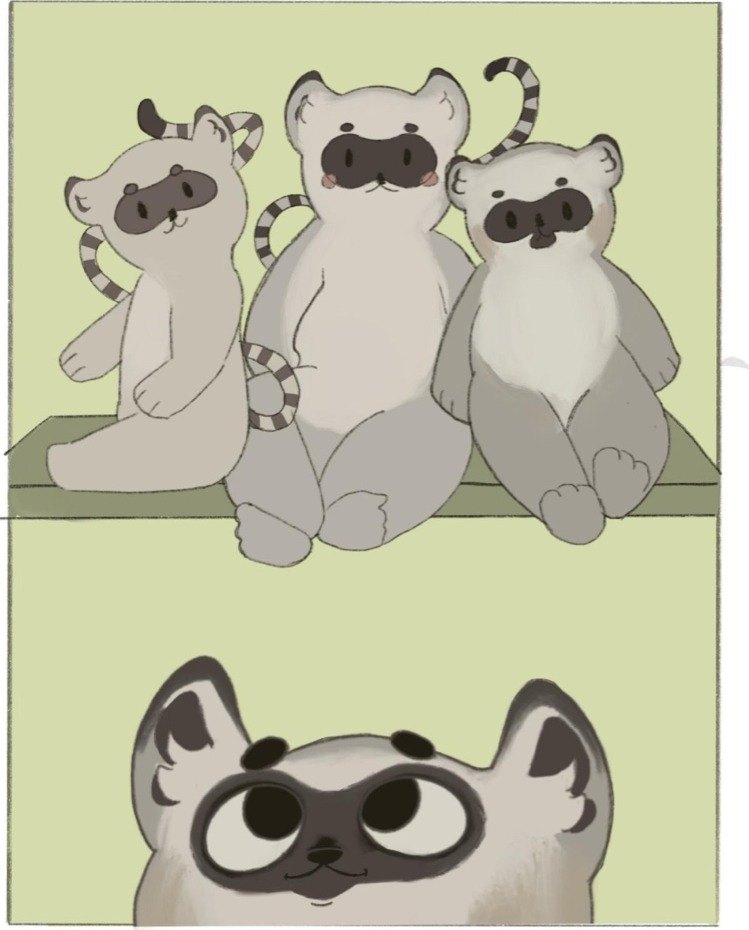
Nemur's Conspiracy
The read-along picture book, narrated end to end. In this version the dollies wake up when you tap them — but only when the grown-ups are gone.
Open the book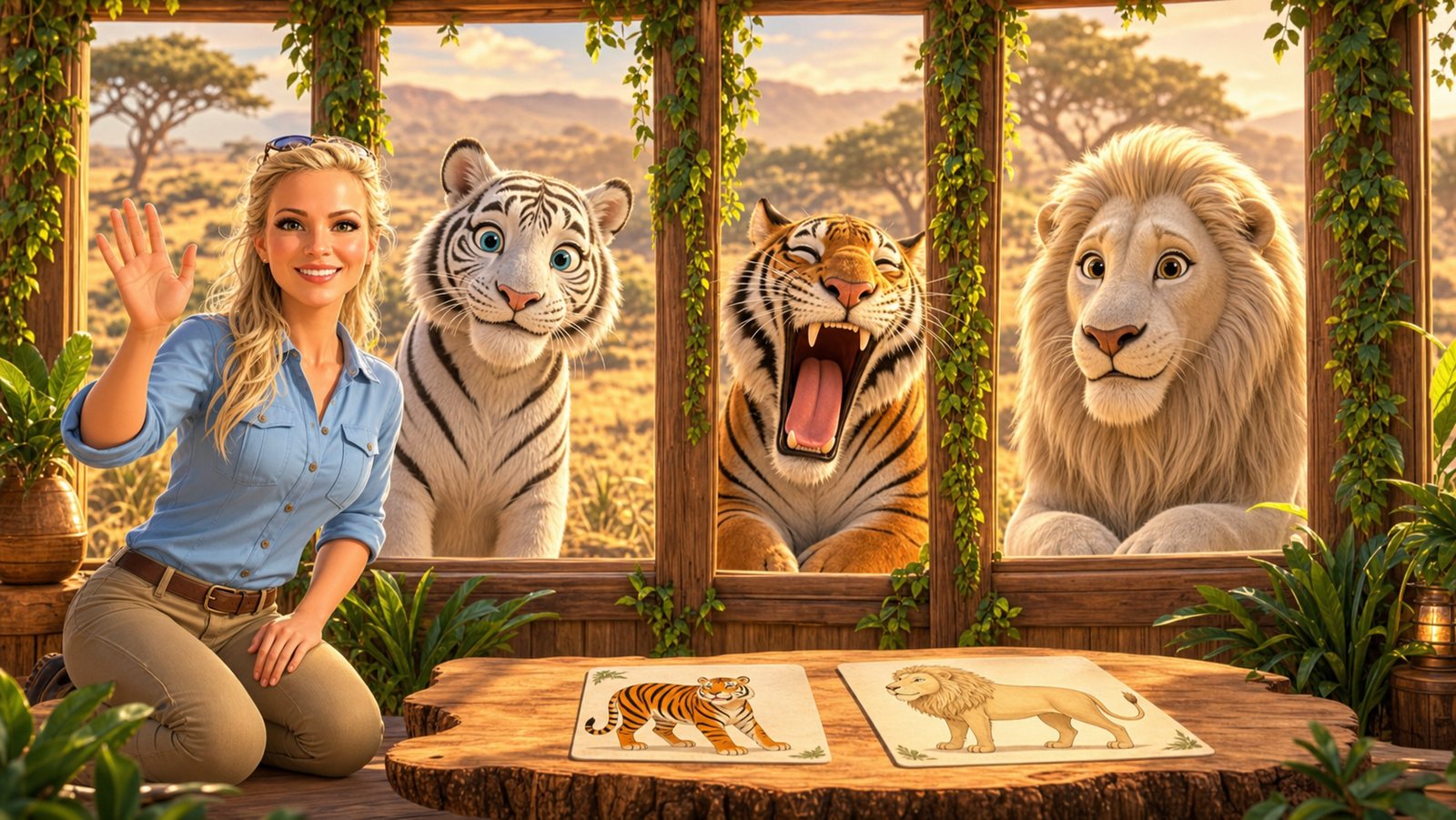
The Zoo
Every animal on the roster, drawn as a 3-D caricature with Liz in the frame. Birds, big cats, reptiles, hoofstock, and the whole petting paddock.
See the roster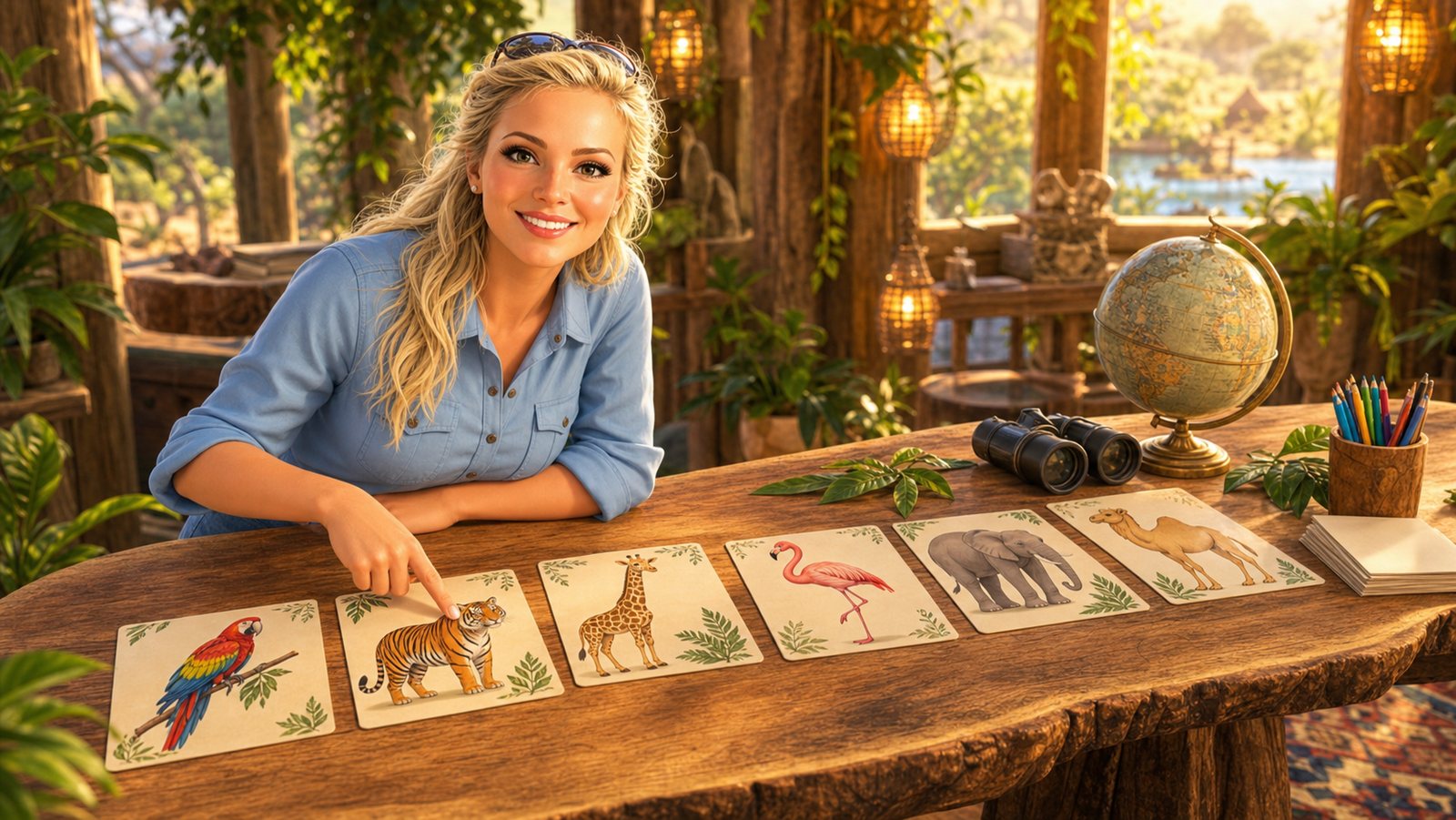
The Show
Tap a card and the lesson opens: three things that are true, a question you answer before you are allowed to see the answer, and something to go and do. Written three times over, for K–2, 3–5 and 6–8.
Open the deskThe book · version two
The dollies wake up.
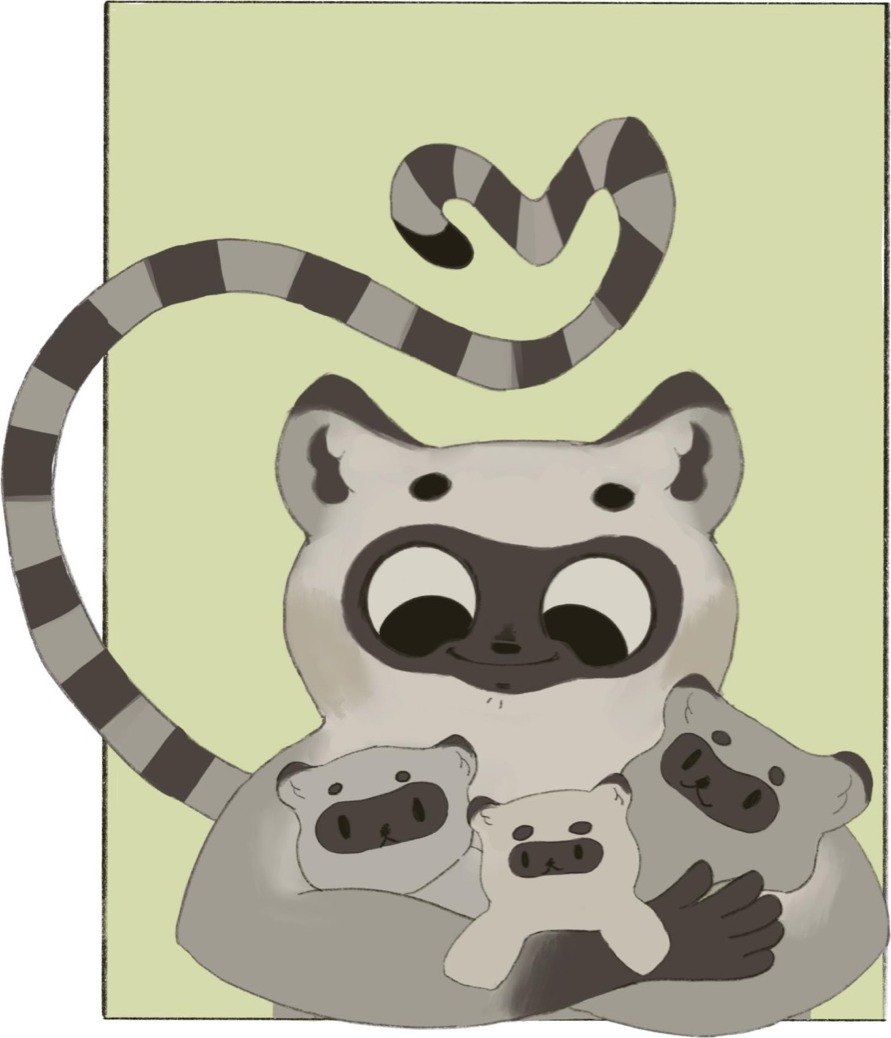
Elizabeth Felton wrote it about her own lemur. Giavanna Loya painted it. Every page is read aloud, and the words never changed.
Seven of Nemur's dollies are hidden across four spreads. Tap one and it bounces, glows, and moos. A counter keeps score. Wake all seven and the whole conspiracy moos together.
It listens to the story instead of talking over it. On the pages where a grown-up is in the frame, a tap gets a whisper — not while the grown-ups are looking. On the last two pages, after the goodbye, the dollies don't answer at all.
The zoo
Every animal has a story.
Explore Liz’s animal roster through illustrated scenes, observation questions and lessons made for curious minds.
Illustrated wildlife · review artwork
Meet the safari cast.
Warm, illustrated adventures with Liz and Lilly. Meet the birds, big cats, reptiles and safari animals, then explore their cards and lessons.
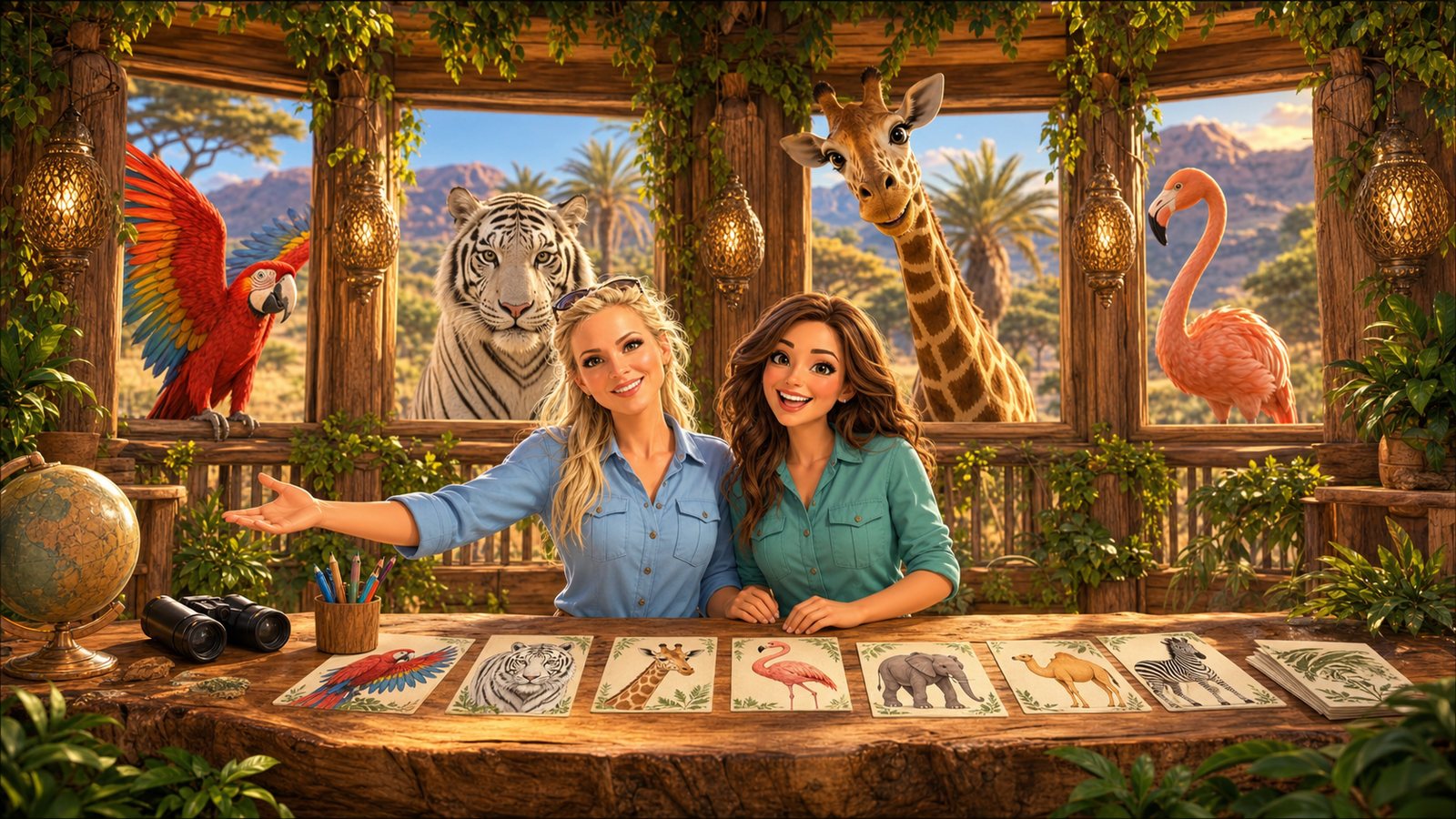
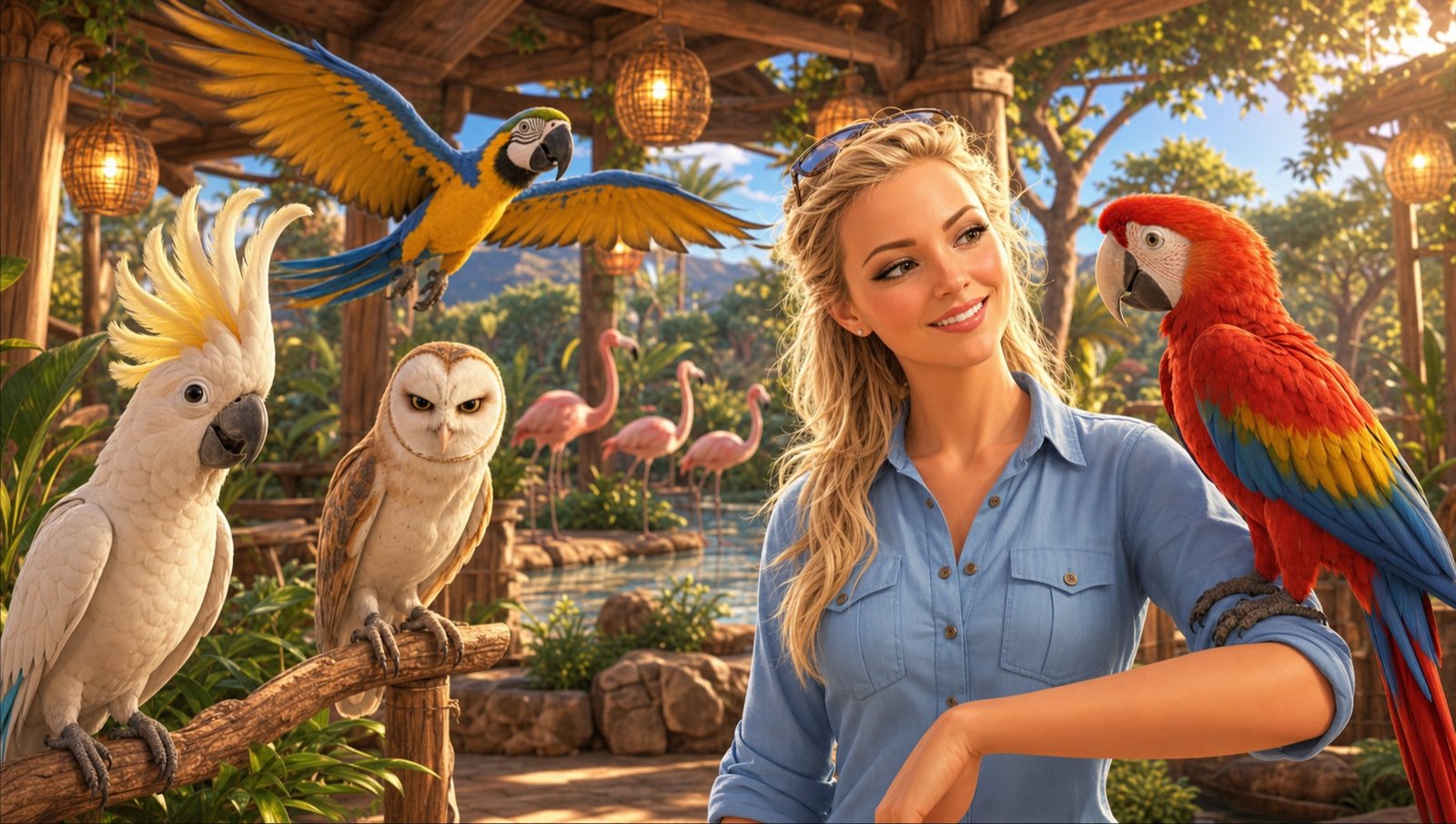
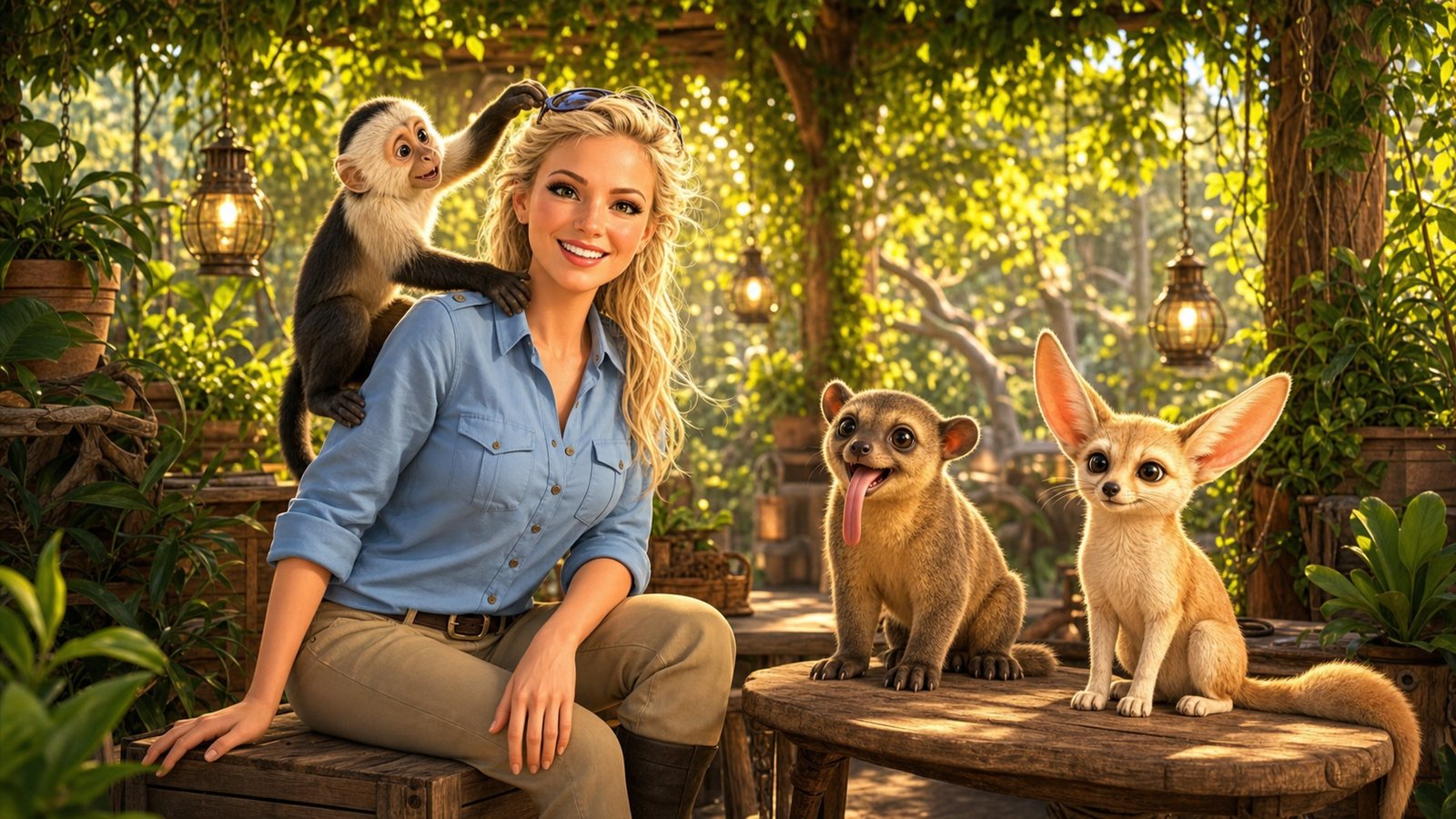
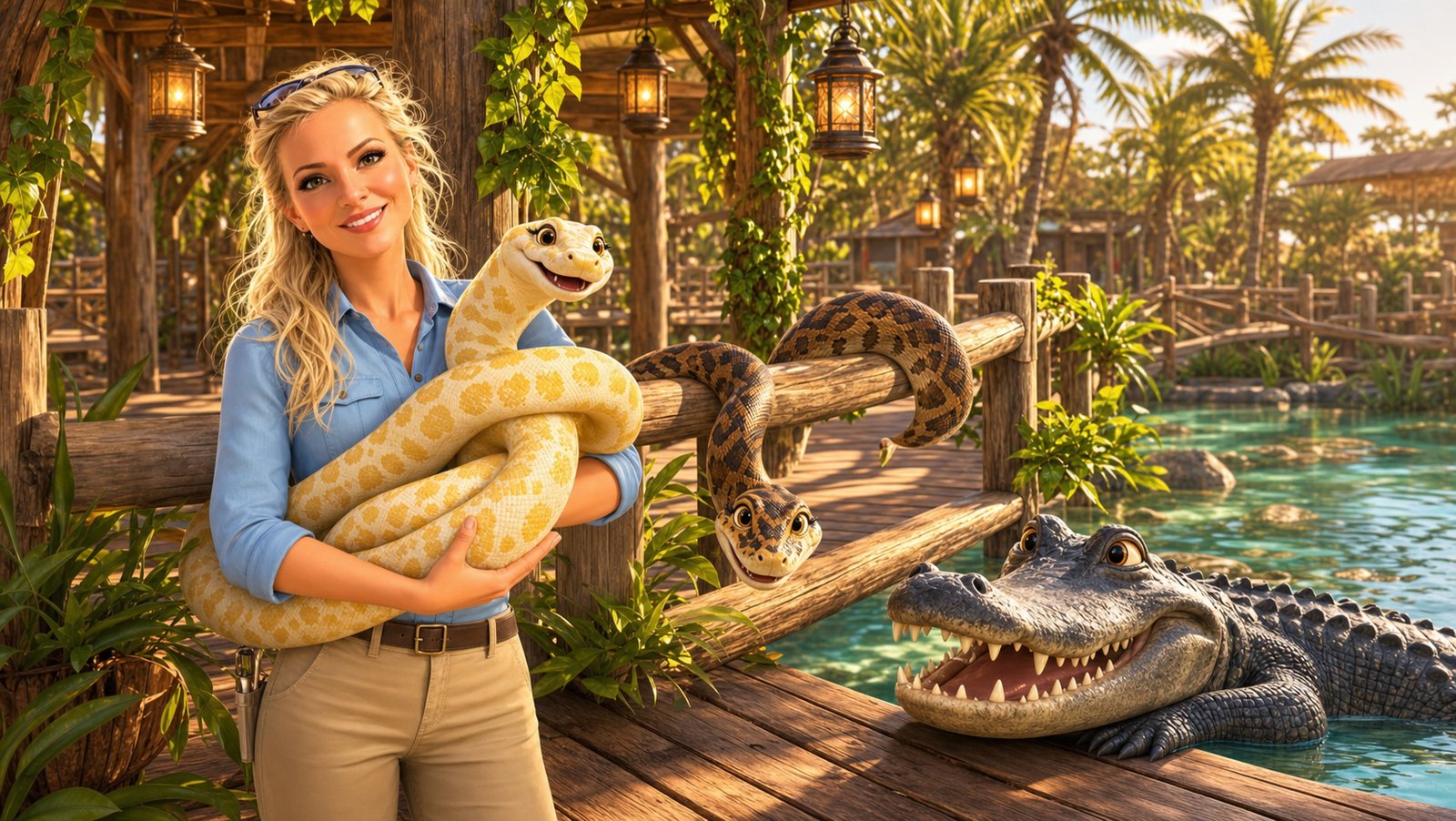
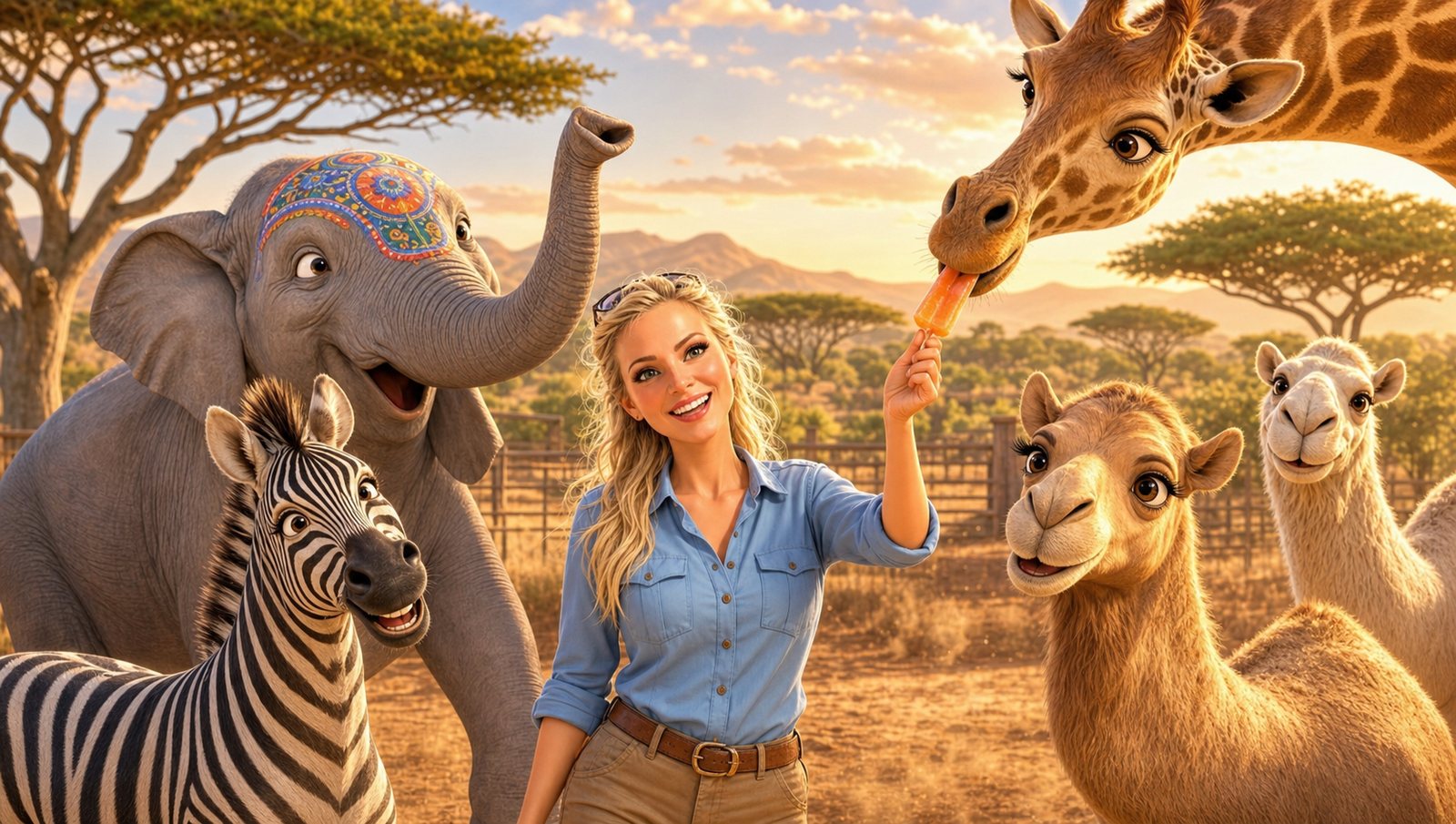
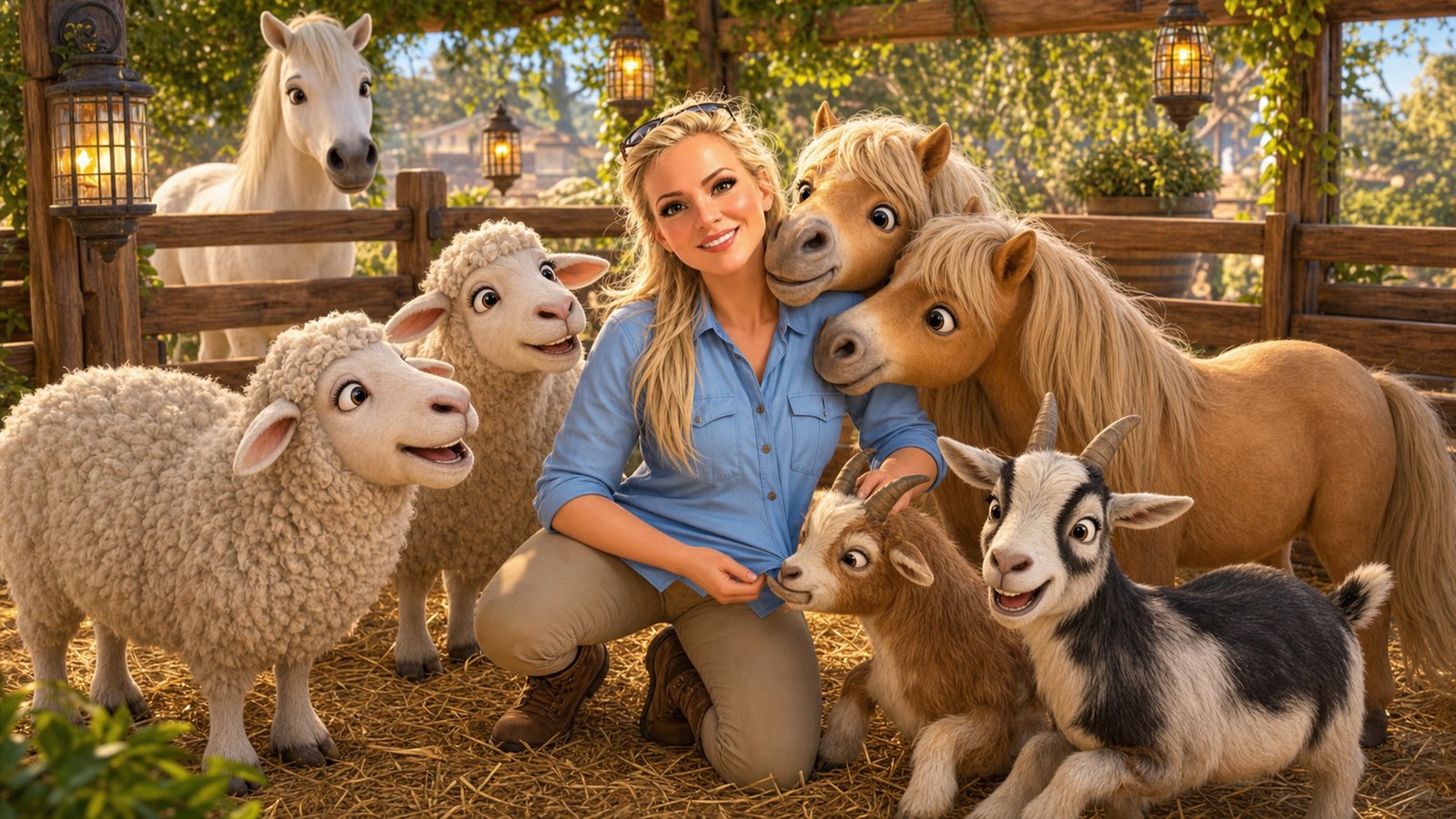
Every one of them
Nineteen kinds of animal, and a goat that will eat your shirt.
The roster
Who's actually here.
Birds
- Scarlet and green-winged macaws
- Blue-and-gold macaws
- Umbrella cockatoo
- Barn owl
- Flamingos
Primates & small exotics
- Capuchin monkey
- Kinkajou
- Fennec fox
- Ring-tailed lemurs — Nemur and Bindy
Reptiles
- American alligator
- Burmese python, normal phase
- Burmese python, albino phase
Big cats
- White tiger
- Bengal tiger
- White lion
Hoofstock & large animals
- Zebra
- Giraffe
- Asian elephant
- Camels, tan and white
- Miniature horses and a white horse
The petting paddock
- Sheep
- Goats
- Miniature horses
Built and open
The lesson is a card on a desk.
Choose an illustrated animal to explore its lesson. Each lesson includes age-specific facts, observation questions and an activity. Real animal photographs and recorded introductions from Liz are still being prepared.
Two ways in, and they do different jobs. The card deck is the thing you hand a child: a drawn face on the front, a sourced fact on the back, tap to flip. The lessons take the same animals further — three age bands, a question whose answer stays hidden until you have written your own, and a teacher's sheet that prints.
Why both faces
Kids trust a real face, then follow a drawn one anywhere.
So the show uses both. Real Liz does the greeting and the here is the actual animal moments. The caricature does the story and the silly parts.